When you live in Alexandria, space has a way of filling up. Strollers become bikes, art supplies become science fair projects, and the tidy storage corner morphs into a catchall. The basement often holds the solution. Done right, it becomes the most flexible square footage in the house, one that grows with your family and hosts the best parts of your life. Think sleepover suites for cousins, a quiet office for late calls, and an inviting den where friends actually linger. The difference between a cold storage space and a polished extension of your home lies in planning, craftsmanship, and a little local savvy.
This guide draws on years designing and building high end basements across Northern Virginia, including the City of Alexandria and nearby Fairfax County neighborhoods. It focuses on how families live now, and how a home remodeling contractor can tailor the space to meet your needs today and five years from now, without losing the elegance that defines your home upstairs.
Start with how your family actually lives
A basement is valuable when it solves real problems. For one Del Ray couple with twins and a dog, the need was a place that could handle wet soccer cleats, a science lab mishap, and grandparents visiting for a week. For a family in Rosemont, it was about carving out a serene workspace separate from kid energy. Make a short, honest list of non-negotiables and nice-to-haves, and be ruthless about priorities.
Luxury in a basement is less about marble for the sake of it and more about flow, lighting, acoustics, and durability. If your teenagers will claim the space most afternoons, the best investment may be lounge-depth seating, a separate homework nook, and sound isolation, not a second fireplace. For homes that entertain often, a wet bar designed like a petite kitchen, with concealed ice, undercounter refrigeration, and a dedicated glassware pantry, carries far more weight than a token beverage cooler.
Moisture first, then everything else
In Alexandria’s older housing stock, basements vary wildly. Some have walkouts, others sit below grade with stone or older cinder block. The Potomac’s influence, clay heavy soils, and mature trees all play into water management. Before sketching a single built in, deal with the envelope.
A good home remodeling contractor starts with diagnostics. Expect a survey of the exterior grading, downspout extensions, and any evidence of efflorescence on interior walls. Ask for a written moisture plan. It may include a combination of exterior grading correction, French drains, interior perimeter drains with sump pumps, and vapor barriers under new flooring. Rim joists often benefit from closed cell spray foam to block air and moisture, while concrete or block walls perform best with rigid foam insulation against the masonry, then a framed wall and drywall. If you already have a sump pump, consider a battery backup and a high water alarm. Quiet operation is worth the upgrade, especially near a play or media area.
Radon deserves a mention. Northern Virginia has pockets with elevated levels. Testing is simple and inexpensive. If mitigation is needed, a sub slab depressurization system adds peace of mind and can be tucked discreetly.
Permits, codes, and small details that matter in Northern Virginia
The City of Alexandria and Fairfax County both use the Virginia Uniform Statewide Building Code, which is based on the International Residential Code. Translation for homeowners: you want a permitted project that meets modern safety standards and will pass scrutiny when you eventually sell.
Ceiling height is a frequent constraint. Most habitable spaces require a 7 foot ceiling, with allowances for beams and ducts dropping lower in limited areas. Smart design routes ductwork to the perimeter and creates soffits that feel intentional. Bedrooms in basements demand proper emergency egress. That means a window with a minimum clear opening and a window well sized so an adult can exit, with steps or a ladder. The specifics vary slightly with grade, but your contractor should lay out the exact dimensions early so the room is framed correctly.
Stairways need the right rise and run, and handrail details cannot be an afterthought. Smoke and carbon monoxide alarms must be interconnected and hardwired. Pay attention to HVAC load and fresh air requirements. A basement that feels clammy in August and overheated in January points to a missed calculation, not a quirk you have to live with.
Permitting times fluctuate. In Alexandria, straightforward basement remodeling permits typically move in a few weeks, longer if structural changes or new exterior openings are involved. Plan for inspections at framing, rough in electrical and plumbing, insulation, and final. A seasoned home remodeling contractor manages these checkpoints quietly in the background.
Zoning the space without chopping it up
The best basements read like thoughtfully composed apartments, one zone flowing into another. Hard walls are used sparingly to protect privacy where it matters, such as a guest suite or office, while open sightlines make family areas feel expansive.
Start at the bottom of the stairs. What you see first defines the experience. If you walk into the back of a sofa and a tangle of wires, the entire floor feels like an afterthought. Lead the eye to a focal point. It might be a fireplace wall clad in limewash plaster or a custom media niche with white oak slats and concealed storage. Tuck the pragmatic spaces behind it. Laundry, mechanicals, and deep storage should be accessible but invisible.
For families with young children, a play zone benefits from a soft surface underfoot and built in storage at kid height. As they age, that same footprint can evolve into a gaming lounge or study area by swapping a low table for a pair of desks and adding acoustic wall panels wrapped in a tweed that matches the upholstery.

The quiet luxury of a guest or au pair suite
An elegant basement suite does not feel like a compromise. Ceiling height, natural light, and material continuity do most of the work. Prioritize an egress window with a generous well and a finish that looks like a garden room, not a pit. Stone faced walls in the well, a cedar cap, and integrated lighting turn it into a feature rather than a code requirement.
In the bath, aim for hotel grade comfort with resilient performance. Large format porcelain tile that mimics limestone pairs well with radiant floor heat. A curbless shower with a linear drain keeps the space open and easy to clean. Choose a thermostatic valve with a separate volume control, and recess a niche sized for family size bottles so they do not fall in the night. Ventilation should be quiet and strong, ideally a remote inline fan that pulls steam out without the whine of a ceiling unit.
Storage becomes a small luxury here. A slim linen closet with integrated power for a steamer, a drawer with a built in hair tool caddy, and a vanity set at the right height for the primary user will get noticed, especially for longer stays. For an au pair, add a micro laundry stack or give priority access to the main laundry room, and plan acoustic insulation around the suite so sleep is protected.
The entertainer’s bar that actually works
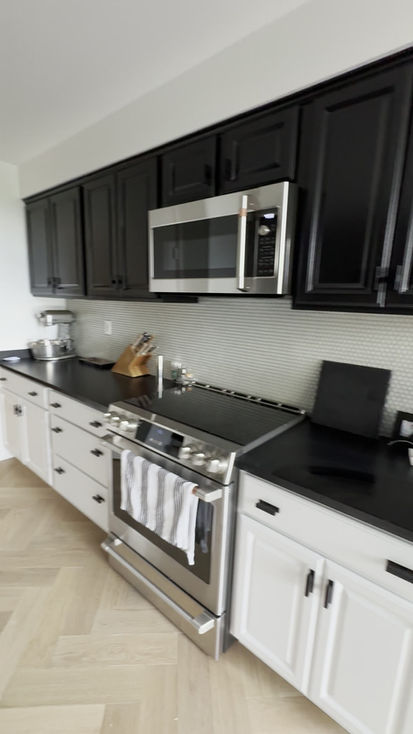
A beautiful bar is less about display and more about workflow. Think of it as kitchen remodeling in miniature. Place refrigeration at the ends to keep the center clear. A shallow sink with a discreet garbage disposal handles citrus and ice melt without looking utilitarian. Under shelf lighting makes glassware glow, while a lockable cabinet keeps special bottles safe. If you host frequently, add an icemaker with a gravity drain and a 15 inch dishwasher dedicated to stemware. Set the counter at bar height and give it a waterfall end in a stone that will not etch when someone squeezes a lime directly on it.
Finishes should feel like part of the home, not a theme park. Rift sawn white oak with a satin finish, unlacquered brass that patinates, and a hand cast tile backsplash read as warm and timeless. If the space doubles as a family lounge, hide the TV behind sliding art home remodeling contractor in Alexandria VA panels or a tambour screen, so the bar does not compete with a black rectangle.
Storage that grows with you
Every family underestimates storage. In basements, the answer often lies between studs and behind panels. Use the full depth of the wall by the stairs for a closet that swallows gear. Under stair drawers keep board games and seasonal decor in reach without a hunt. Consider a mudroom style bench at the walkout, even if your main entry is upstairs. In flood prone pockets near the Potomac, lift storage off the slab a few inches, and avoid cardboard altogether. For a refined look, specify cabinet doors with integrated finger pulls and a washable matte lacquer.
Light is your luxury
Natural light in a basement is earned. Where possible, enlarge existing windows and drop sills to the code minimum. In walkout conditions, switch a standard door to a matching glass panel pair with integrated blinds. Then build a layered lighting plan. Aim for quiet, even ambient light at 2700 to 3000 Kelvin, with task lighting where people read, craft, or mix a drink. Keep recessed fixtures to a modest size and push them back from the TV wall to avoid glare. Wall washers or art lights on dimmers give you the option to set a mood for a movie or a late glass of wine.
Tread softly: acoustics and privacy
Sound control is the difference between a basement you can use anytime and one you avoid when a toddler naps. Use mineral wool insulation in ceilings and interior walls around bedrooms and baths. Resilient channels and double 5/8 inch drywall on the theater wall help. Solid core doors with quality seals do a lot of work for a small upcharge. If you host music practice, consider a discreet acoustic fabric system that looks like wall paneling.
Materials that take a beating and still look refined
On slabs, luxury vinyl plank has matured and often makes sense for families. The good lines have beveled edges and long boards that look convincingly like wood, with the added benefit of forgiving minor moisture. For clients who want natural materials underfoot, consider engineered hardwood with a robust wear layer and a moisture tolerant core, installed over a vapor barrier and proper underlayment. In high splash zones, porcelain tile paired with radiant heat remains the gold standard. Stay away from thick shag carpet. If you want softness, modular carpet tiles in a tight weave allow a single stained square to be swapped, and the low VOC options are excellent.
Walls should use moisture resistant drywall where appropriate, but save cement board for direct wet areas. Trim profiles can match upstairs or be simplified with a shadow reveal for a more modern expression. Paint matters. A durable matte or eggshell that you can wipe without flashing keeps the space fresh after a birthday party gets out of hand.
HVAC, air quality, and the feeling of fresh
Basements can drift out of sync with the rest of the house if HVAC is an afterthought. A proper load calculation often leads to adding a dedicated zone. That gives you control without overcooling the main level in summer just to make the basement comfortable. High end but discreet options include a slim ducted mini split serving only the lower level. Add a dehumidifier sized for the square footage and integrate it with the drain system. If allergies are a concern, a media air filter or an electronic filter paired with a fresh air intake will pay dividends.
Smart features that feel invisible
This is not about showing off tech, it is about convenience. Low voltage wiring for data and media should be planned before drywall, with a tidy rack in a ventilated closet. Hardwire access points to avoid dead zones. Add motion sensing night lights at the baseboard height for the path to the bathroom, and put your mechanical room on sensors that alert you if temperature or humidity spikes. Motorized shades at walkouts are discreet now and hold up to enthusiastic kids.
Safety, quietly integrated
For families, design safety into the details. Tempered glass near doors and windows, slip resistant tile in baths, rounded corners on low built ins, and outlet placement where cords will not invite a trip. Stairs deserve special attention. A continuous, graspable handrail and even, gentle lighting count as safety and as good design.
A realistic budget for luxury basements in Alexandria
Costs vary with scope and finish, but ranges help frame the conversation. For a well appointed basement with a family lounge, a guest suite with a bath, a serious wet bar, custom storage, and thoughtful lighting, plan roughly 180 to 300 dollars per square foot in Northern Virginia. A refined bathroom remodeling package downstairs typically lands between 35,000 and 70,000 depending on tile, plumbing fixtures, and whether you choose radiant heat. A full featured bar often runs 25,000 to 60,000. Cutting in a new egress window and well usually adds 8,000 to 18,000, depending on site access and wall construction. Permits, engineering, and inspections tend to total 1,000 to 3,500 for a straightforward project.
Timelines answer to scope, inspections, and material lead times. Eight to 16 weeks is common from demo to final clean, with another four to eight weeks for planning, design, and permits. Lead times for custom cabinetry, stone, and specialty fixtures affect the critical path, so early selections help.
The right team for the job
A basement is a small house inside your house. It touches structure, electrical, plumbing, HVAC, insulation, and finishes that must endure daily life. That is where a seasoned home remodeling contractor pays for themselves. Look for a team that manages whole home renovations as well as focused projects like kitchen remodeling and bathroom remodeling, because basements pull pieces from all three. In older Alexandria homes, you want someone comfortable marrying new work to old framing and utilities, and who has relationships at the permit office.
Ask to see basements, not just pretty kitchens. Walk a finished lower level with them. Open cabinets, listen for squeaks, and note how the transitions meet. On an active site, you should see order and protection, not a dust cloud creeping upstairs. Detailed proposals matter. You want line items that cover moisture control, insulation type, sound attenuation, and allowances for lighting and hardware that match your taste.
A planning checklist for families
- Identify the primary uses for the next three years and the next seven, then circle the overlap. Verify moisture control solutions before finalizing the layout or finishes. Confirm code requirements for ceiling height and egress if adding a bedroom. Decide early on bar versus kitchenette, and plan plumbing accordingly. Map storage by category: gear, toys, seasonal, and guest linens.
Phases of a smooth basement remodel
- Discovery and design: measure, test for moisture and radon, sketch zones, select finishes, set budget and timeline. Permitting and procurement: submit plans, order long lead items like cabinetry, custom doors, and tile. Prep and rough in: demo, waterproofing, framing, mechanicals, and inspections. Close in and detail: insulation, drywall, millwork, tile, lighting, paint. Commissioning: final fixtures, HVAC balancing, punch list, and a deep clean that makes the space feel move in ready.
Two brief stories from the field
A family near Braddock Road Station wanted a playroom that would grow into a teen lounge. We framed a half height wall in front of a structural column, cladded it in white oak, and integrated a magnetic chalkboard panel on the play side. Five years later, the chalkboard is now a cork panel holding college pennants, and the lower cabinet that once hid wooden trains neatly stores controllers and VR gear. The structure never moved, but the use evolved without a renovation.
On a sloped lot in Beverley Hills, a walkout basement felt like a cave despite glass doors. The issue was grade, not daylight. We regraded the first six feet at the patio to expose more of the sill, added a low stone retaining wall that doubled as extra seating, and switched the interior flooring to a warm, wide plank engineered oak with a matte finish. Inside, the switch from 4000 Kelvin downlights to warmer 2700 Kelvin trims with a higher color rendering index changed the complexion of the room. The homeowner’s comment at turnover was simple: it finally feels like part of our home.
When to consider going bigger
Sometimes a basement remodel reveals that you are wrestling with more than layout. Ceiling height that cannot clear 7 feet, chronic water intrusion that would require major excavation, or a home that needs broader changes might point to home additions or whole home renovations. In those cases, a skilled contractor will model the cost and disruption of each path. A light touch addition on the main level that creates a larger family room and relocates laundry upstairs may serve better than forcing a basement to do everything. In other cases, a rear walkout with a partial dig down for added headroom unlocks a superb lower level and improves the yard connection. The answer should come from your goals and the home’s bones, not a one size fits all playbook.
The finishing touches that elevate the everyday
Small decisions make the space feel tailored. Leathered stone on the bar top, not shiny polish that shows every ring. A built in reading niche under the stairs with a cushion in performance velvet and a sconce with a knurled switch that clicks satisfyingly. Art hung purposefully, not just downstairs overflow. A curved edge on the banister that invites a hand. Outlets tucked into drawers for charging, so surfaces stay clear. None of this screams renovation, it simply makes daily life easier and nicer.
What luxury means in a family basement
In Alexandria, luxury rarely means ostentation. It means a room you are proud to bring guests into that also takes muddy boots without flinching. It means quiet mechanicals, sofas that hold a crowd, and a bath that your mother in law compliments. It means a bar that serves as breakfast central on school days and a civilized cocktail station on Fridays. It means a space so comfortable that you forget it is a basement.
A thoughtful basement remodeling project adds value you can measure and delight you count by evenings well spent. If you are choosing a path, assemble a team skilled in basement remodeling who also speaks fluently about kitchen remodeling, bathroom remodeling, and the discipline of whole home renovations. Demand planning and transparency. Protect against moisture, get the lighting right, respect the code, and let your family’s rhythms guide the design. The lower level will reward you every single day.
VALE CONSTRUCTION
6020 Alexander Ave, Alexandria, VA 22310, United States
+17039325893
https://www.youtube.com/@valeconstructionva
https://www.facebook.com/valeconstructionva/
https://www.instagram.com/valeconstructionva/
https://www.linkedin.com/company/vale-construction-va/
https://x.com/valeconstruct
https://www.pinterest.com/valeconstructionva/